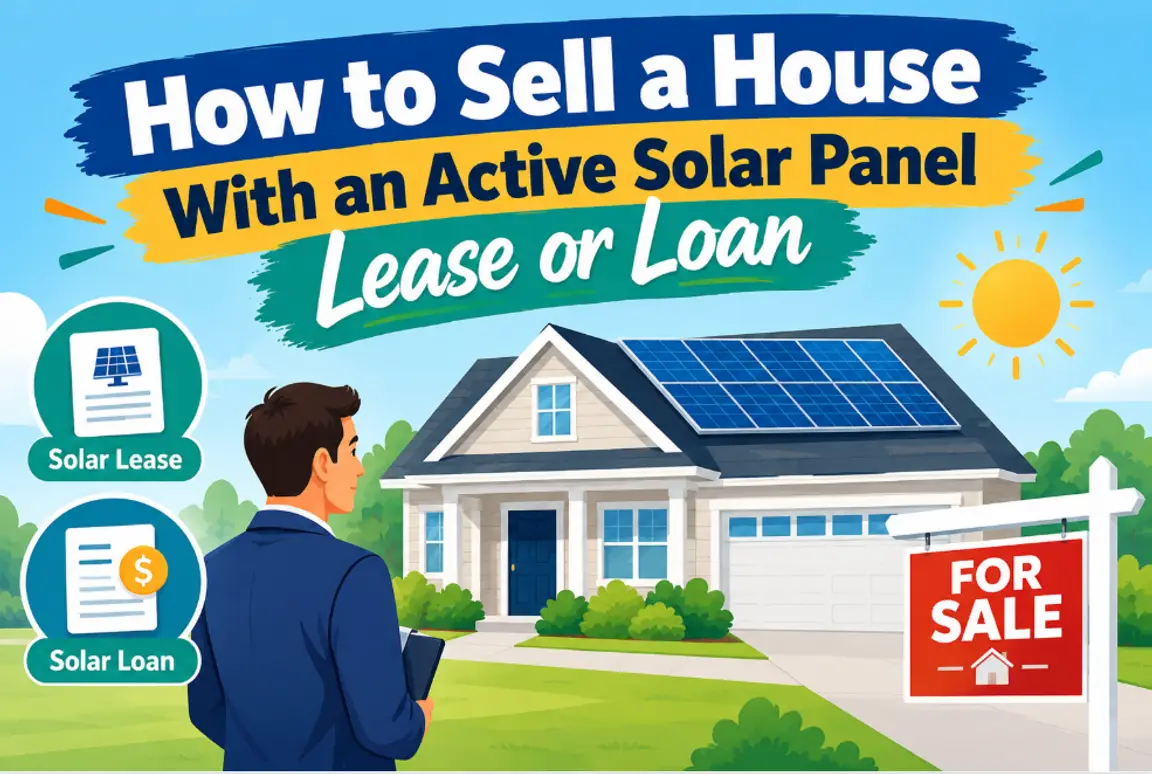
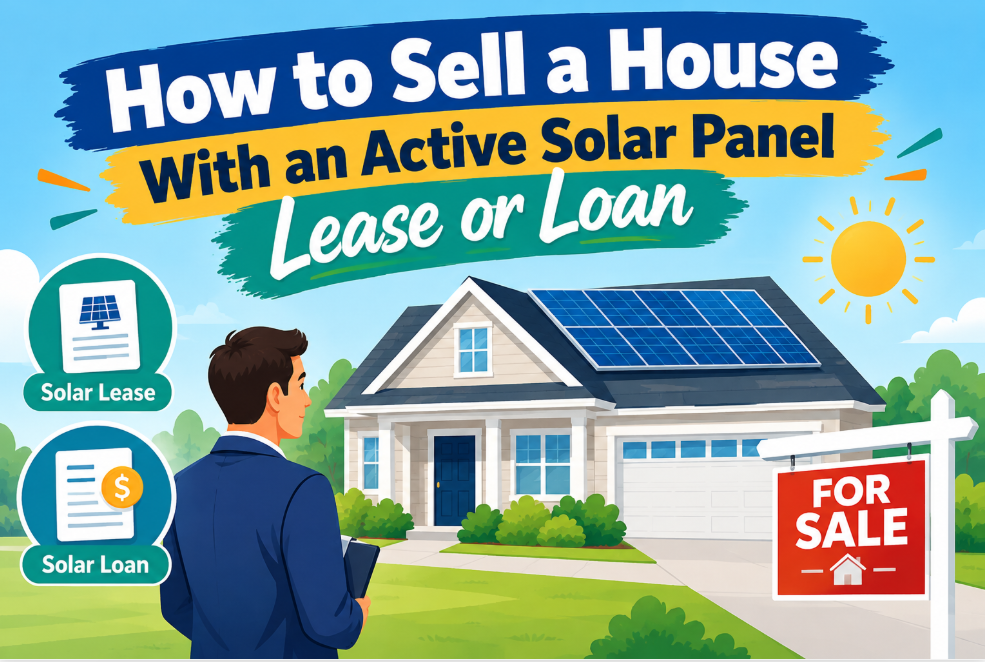
Solar panels can be a nice feature when you own a home. They can help with energy costs and make the property more appealing to certain buyers. But selling the house can feel a little different when the solar panels are leased instead of owned.
If you are planning to sell a house with leased solar panels in Chicago, there is one important thing to understand: you do not necessarily own the solar equipment. The solar company may still own the panels, and your lease agreement controls what happens when you sell the property.
That does not mean you have to wait until the lease ends. You can still sell your house, but you should understand the agreement before putting the property on the market.
How Does a Solar Panel Lease Work?
With a solar lease, a solar company installs and owns the panels on your property. You pay the company according to the terms of your lease, usually through a monthly payment.
The arrangement can be different from a solar panel loan. With a loan, you generally finance the purchase of the system and eventually own the equipment after the loan is paid off. With a lease, ownership usually stays with the solar provider.
This difference becomes important when you decide to sell your home.
The lease does not simply disappear because the property has a new owner. The agreement will usually explain what happens when you sell, including whether the lease can be transferred to the buyer or must be resolved another way.
Check Your Solar Lease Before Selling
Before you list your home, take some time to find your solar contract. If you cannot locate the original paperwork, contact the solar company and request a copy.
Pay attention to the remaining lease term, monthly payment, transfer requirements, and any fees that could apply when the property is sold. You should also ask whether the buyer needs to meet certain qualifications before taking over the agreement.
This information can save you a lot of frustration later.
It is much easier to explain the solar arrangement to a potential buyer when you already know the details yourself.
Can the Buyer Take Over a Solar Lease?
In many situations, a buyer may be able to assume an existing solar panel lease, but this depends on the specific agreement and solar provider.
The buyer may have to submit an application, provide financial information, and receive approval from the solar company. The process can take some time, so it is worth starting early.
Not every buyer will want to take over the lease. Some people may like having solar panels but prefer not to take on an existing monthly payment. Others may be comfortable with the arrangement if the payment and expected energy savings make sense.
If the buyer does not qualify or simply does not want the lease, you will need to discuss other options with the solar provider.
What Happens to the Lease When You Sell?
There is no single answer because solar contracts can have different terms. In some cases, the lease can be transferred to the new homeowner. In other cases, the seller may have an option to purchase the system or end the agreement according to the contract.
You should not assume that selling the house automatically transfers the lease. The solar company, buyer, lender, title company, or closing professional may all have a role in completing the required paperwork.
Getting everyone on the same page early can help prevent the solar agreement from becoming a last-minute closing problem.
Does Leased Solar Affect Your Home’s Value?
Leased solar panels can affect how buyers evaluate a property, but the impact is not necessarily negative.
Some buyers appreciate having a solar system already installed because they may benefit from lower electricity costs without paying the full installation price themselves. However, they will probably want to understand the lease payment and how long the agreement remains active.
The buyer may also compare the solar payment with the expected energy savings. If the numbers make sense, the lease may be viewed as a reasonable part of the property.
On the other hand, buyers who want complete ownership of their home’s energy system may be less interested in a leased setup.
This is why being transparent about the lease is so important when selling a home with solar panels.
What If You Want to Sell the House As-Is?
If your main concern is avoiding additional work before selling, an as-is home sale may be worth considering.
Selling as-is does not remove the solar lease or allow you to ignore the agreement. You still need to disclose the lease and follow the solar company’s requirements. However, you may not need to make unnecessary improvements to the house simply to prepare it for a traditional listing.
For some homeowners, this approach can make sense when they would rather sell the property in its current condition than spend more money getting it ready for the market.
Can a Cash Buyer Purchase a Home With Leased Solar?
A cash home buyer may be willing to purchase a property with leased solar panels. However, the lease still needs to be reviewed before the sale can be completed.
If you are considering a cash offer, explain the solar arrangement from the beginning. Provide the lease information and let the buyer know that the panels are owned by a solar provider.
Sell My House Fast Chicagoland can review your home’s situation and discuss whether a cash sale may be an option. Having the solar paperwork available can make that conversation much easier.
A cash buyer does not automatically take over a solar lease. The agreement must still be handled according to its terms.
Should You Pay Off the Solar Lease Before Selling?
Whether you should try to end the lease before selling depends on your contract and financial situation.
In some cases, buying out the lease may make the property easier to sell because the buyer does not have to assume the agreement. But a buyout can be expensive, and it may not always be the best financial choice.
Before making that decision, ask the solar company for the current buyout amount. Compare that cost with the potential benefits of keeping the lease and transferring it to the buyer.
There is no reason to spend a large amount of money simply because you assume you have to. Get the actual numbers first.
How to Make Selling a House With Leased Solar Easier
The best time to deal with the solar lease is before you have a buyer waiting to close.
Start by reviewing the agreement and contacting the solar provider. Find out exactly what happens when the home is sold and how long the transfer process usually takes.
Then make sure your real estate or closing professionals know about the lease. Keeping everyone informed can reduce confusion when the sale moves forward.
If you are looking for how to sell a house with leased solar panels in Chicago, you have more than one possible path. You can list traditionally and look for a buyer willing to assume the lease, negotiate another arrangement with the solar provider, or explore an as-is cash sale.
You Do Not Have to Wait for the Lease to End
A solar lease can add another step to selling your home, but it does not mean you are stuck with the property until the contract expires.
The most important thing is to understand what you signed. Know who owns the panels, how much time remains on the lease, what the monthly payment is, and what the solar company requires when the property changes hands.
Sell My House Fast Chicagoland can give homeowners another option to consider if they want to discuss selling their property without waiting for the solar lease to end.
If you are ready to move forward, start by getting your solar paperwork together and finding out exactly what your options are. Once you know how the lease can be handled, selling your house becomes much easier to plan.
Sell My House Fast Chicagoland can discuss the property and its circumstances with you, so you can decide whether that route fits your needs.
A leased solar system does not have to stand between you and your next move. With the right information and some planning before the sale, you can work through the lease and move ahead with selling your home.